
Every fall, we get the same call. A homeowner says the yellow jackets in their yard seemed fine all summer, and now they act like they own the place. In fact, that hunch is right. Yellow jackets Fort Smith families deal with in September and October really do get pushier, and the reason has more to do with their calendar than their attitude. Once you understand why, you can stay out of their way and handle a nest the smart way.
Why Yellow Jackets Fort Smith Homeowners See Get Bolder in Fall
A yellow jacket colony starts small in the spring. Then it grows all summer long. By late summer and early fall, the nest nears full size. As a result, far more workers are out foraging in October than you ever saw in June.
At the same time, their menu changes. Earlier in the year, workers hunt caterpillars, flies and other insects. However, those insects get scarce as the season winds down. So the workers start scavenging for anything sweet. The University of Kentucky Entomology guide to wasps, hornets and yellowjackets notes they love fruit, soft drinks and ice cream. They will still take meat and fish, too.
Put those two things together and you get a crowd of hungry workers looking for sugar. That explains why they hover over trash cans, soda cans and fallen pears. It also explains why they seem to follow you around a ballgame.
Tailgates, Picnics and Trash Cans
Fall in the River Valley means football. Friday nights fill the stands across Fort Smith, Van Buren and Greenwood. Meanwhile, weekend crowds spread out lawn chairs at Creekmore Park and Ben Geren. Every one of those spots offers open drinks and sticky trash, which is exactly what late season workers want.
A few simple habits help a lot. First, pour soda into a clear cup instead of drinking from the can. Next, keep food covered until you serve it. Also, empty the trash often and keep lids closed tight. Finally, check the rim of any can before you take a sip.
If a single yellow jacket buzzes around you, stay calm and still. On the other hand, if several start stinging, the CDC guidance on stinging insects says to move away quickly. The CDC also notes that venom allergies can cause anaphylaxis, which needs emergency care right away.
The Mower Problem With Ground Nests
Here is the part most folks miss. Many yellow jackets build their nests underground. They often move into old rodent burrows or tuck in beneath rocks and landscape blocks. You rarely notice the entrance because it looks like a small hole in the grass.
Then you fire up the mower. The vibration rolls right over the nest, and the defenders pour out. Because the colony nears full size in fall, a September mowing run is far riskier than one in May. Therefore, take a slow walk around the yard before you mow. Watch for a steady stream of yellow jackets flying in and out of one spot. If you find it, mark it with a flag and mow around it.
Never Pour Gasoline in a Yellow Jacket Nest
Every year, someone tells us their uncle swears by gasoline. Please skip it. The Kentucky Extension guide says folk remedies like gasoline seldom work. They often end in multiple stings. Additionally, you soak your lawn with fuel and create a serious fire risk next to your house. A flooded nest also has a back door, and angry workers find it fast.
How to Handle Yellow Jackets in Fort Smith the Smart Way
Your first question should be simple. Is the nest actually in the way? Colonies die off when cold weather settles in late in the fall. Better still, yellow jackets do not reuse an old nest. So a nest at the back of the property line may just need a flag and some patience until a hard freeze.
A nest by the front steps, the swing set or the dog run is a different story. In that case, treatment makes sense. Professionals treat at night because most of the workers are inside the nest. We use products made for the job and gear made for stings. Our wasp, hornet and bee removal service covers ground nests, wall voids and eave nests across the area.
When Yellow Jackets Get Into the Walls
Sometimes the nest sits inside a wall void or an attic gap instead of the yard. You might hear a faint buzzing behind the drywall. Never seal that entrance from the outside. The Kentucky Extension guide warns that blocked workers may chew their way inward and come out indoors. Instead, call for help. Sealing gaps after the colony is gone is part of good residential pest control anyway.
Plan Ahead for Next Spring
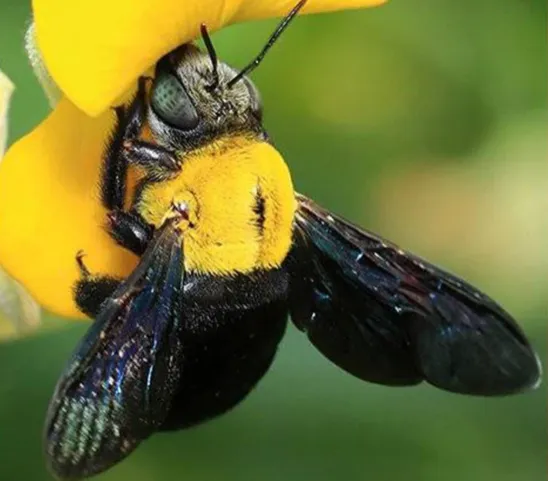
Fall is the best time to learn where yellow jackets like your yard. Note which corners held nests this year. Similarly, fill old rodent holes and keep landscape blocks snug against the ground. Next spring, keep an eye on those same spots. Earlier in the year, you will also see carpenter bees drilling into decks and fascia, which is a separate problem with its own fix.
Still, most yellow jackets Fort Smith yards host in fall cause trouble for a few weeks and then fade out. Our team has watched this cycle repeat every year since 1991. We know which nests to leave alone and which ones need attention today. Beyond the city limits, we also cover Van Buren, Greenwood and the rest of the River Valley too.
Get Help With Yellow Jackets Fort Smith Wide
If a nest sits where kids play or where you mow, let us take care of it. We serve homes all over town through our Fort Smith pest control team, and you can find savings on our current coupons and deals page. Reach out through our contact page or call us at (479) 783-1822, and we will help you deal with yellow jackets Fort Smith neighbors have been fighting all season.